Belonging, community and the power of being “All In”
June 1st, 2026
A tenant’s reflections of homelessness and connection
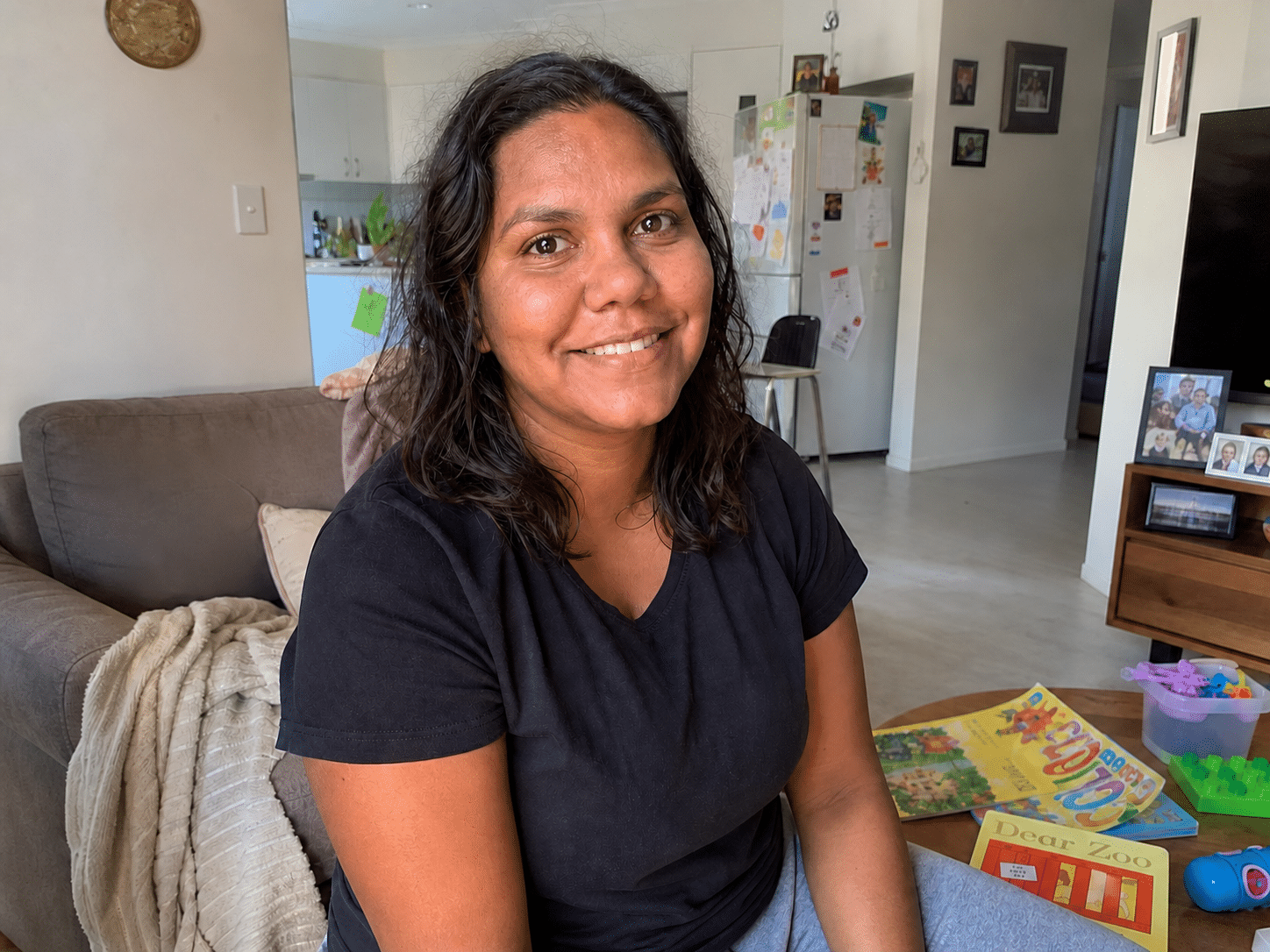
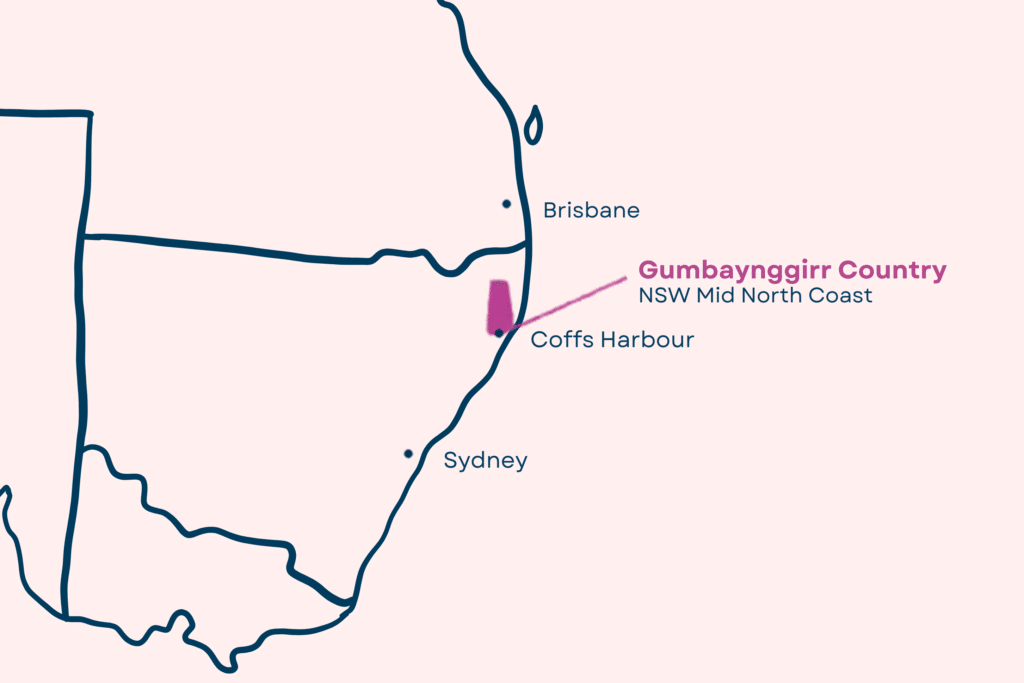
For Katrina, a First Nations woman living on Gumbaynggirr Country (Coffs Harbour), Reconciliation Week is not an abstract idea – it lives in the everyday connections that have helped her rebuild her life. Growing up in the region from the age of eight, she has formed a deep bond with the ocean and the local Aboriginal community. And although she is living off her own Country, this place has become home for her family, offering connection, comfort and continuity.
Katrina says her relationship with Country and her People is powerful and deeply felt. She says she can only explain it as “the feeling of coming home”. When she has been away from her ancestral lands too long, she dreams of them, cries “at the drop off a hat” and feels her spirit “sad and yearning for place”.
“As a First Nations woman, for me community goes beyond human connection and extends to the country, air and waterways around us,” Katrina continues. “Connection to people and land literally nourishes our soul. And my community provides that vital connection to both for me.”
It was this same network of connection that held her through one of the hardest chapters of her life.
Navigating change with support
Before moving into a transitional home through Women’s Housing Company, Katrina spent time in a refuge.
“Being in the refuge… was one of the most trying times of my life,” she says. “I honestly am unsure how I would have survived that experience if I was living anywhere else. Having community support and connections here helped me keep pushing through during that time. My community here sustained me in ways I could never have imagined.”
Much of that support came through Warrina Women’s Centre, a partner of Women’s Housing Company’s DV Transitional Program, PathForward, which supports women as they move beyond crisis and into long-term housing stability during their first five years of tenancy. Through the program, Katrina was nominated for a home – and receiving the keys, she says, “changed everything” for her family.
“All the ladies who work there are lovely, supportive and very kind, and they advocate so strongly for women,” Katrina says. “Aunty Leonie is the best and honestly I’d be lost without her.”
Not long after moving into her new home, a routine rental inspection became another turning point. During the visit, Katrina met Women’s Housing Company CEO Nada Nasser and was invited to take part in the Her Voice program.
“From that meeting, Nada suggested I do the program funded by The Hon. Ros Kelly and with some other amazing women. It was honestly an amazing experience,” Katrina continues.
Through Her Voice – as well as DV Her Story and Disability Dialogue programs – Katrina found new agency in her experience.
“The Her Voice program helped me find strength in my story. I am not just a DV victim, I am resilient and amazing too,” she says.
These moments of true inclusion have shifted how Katrina sees herself and her place in the world. Being part of programs where her experiences are valued has been transformative. “Having people hear my voice, story and lived experience shows me that my voice matters and so does my story,” she says.
In the spirit of Reconciliation Week, Katrina’s journey highlights what is possible when communities listen deeply and stand alongside First Nations women.
Today, “all in” for Katrina means being accepted, safe and surrounded by what she loves most. “Home means to me a place where I am accepted,” she reflects. “What helps me feel grounded is being around my loved ones, family and friends and being out in nature. Silence, sunshine, water and the loudness of home with all my favourite people in it, safe and with full tummies.”
The Women’s Housing Company acknowledges the Gadigal people of the Eora nation as the traditional custodians of the land on which we operate, and pays respect to Elders both past and present.