With Libby Caskey, Senior Manager, Partnerships and Impact
What does “more than housing” mean in practice at Women’s Housing Company?
“For decades, housing responses to women experiencing homelessness and domestic and family violence have rightly focused on one fundamental outcome: safety. Safe housing is life-changing and provides stability, protection and the ability to begin recovering from trauma.
But increasingly, specialist women’s housing providers are asking a deeper question: what happens after safe housing is secured?
For us, the answer is clear. Housing alone isn’t enough if women remain feeling isolated, disconnected, lacking in confidence or unable to access pathways towards economic participation, community connection and agency.
This is where creating elements to support women’s empowerment becomes equally fundamental.”
Are existing KPIs the right way to determine effectiveness?
“Traditional housing KPIs often focus heavily on tenancy sustainment over a fixed period. For example, whether a woman remains housed after 12 months. And while stability is important, high-level measures alone fail to capture the broader growth many women experience through trauma-informed, empowerment-focused housing models.
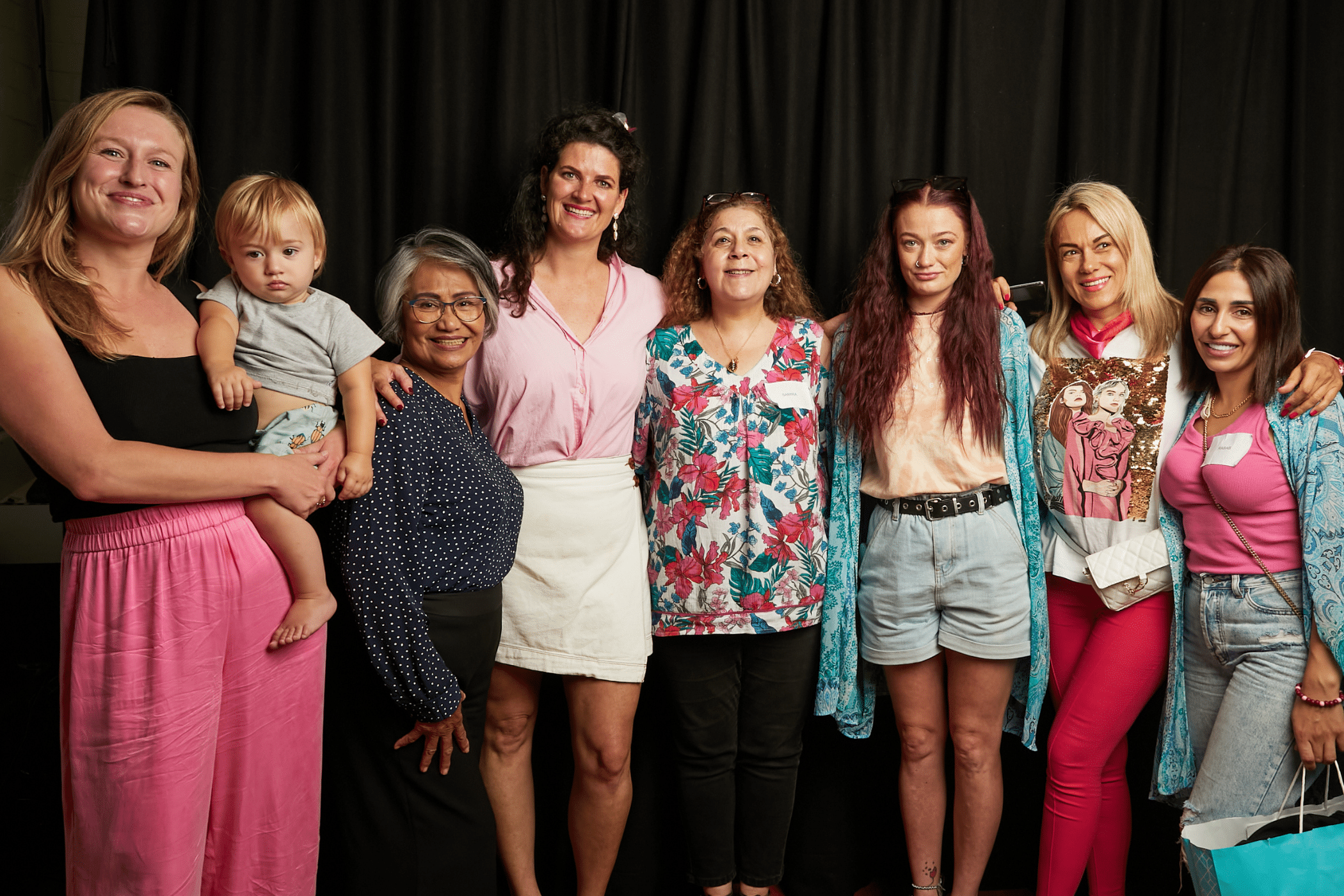
Our Purposeful Pathways program supports women to explore volunteering, education and employment pathways with support heavily focused not only on skill-building but developing self-belief and empowerment through the understanding that women have choice.
In Q1–Q3 2026 alone:
- 180 women expressed interest in joining the program
- 65 women received one-on-one support
- 62 Culturally and Linguistically Diverse (CALD) and five First Nations women engaged
- 55 life-changing pathways were created
- 14 women secured employment
- 33 women completed structured training
- seven women started volunteering
- one woman secured work placement
But success can look many ways, including:
- A woman attending her first community event after years of isolation
- Re-engagement with study or employment
- Feeling safe enough to plan for the future
- Developing a sense of purpose and belonging
Importantly, program evaluation has demonstrated how significant increases in women’s self-reported confidence is a key precursor to broader economic participation and social engagement.
This highlights a valuable insight for the housing sector – that confidence is not separate from housing outcomes but is equally foundational to accessing the social determinants that enable a woman to sustain her tenancy.”
Why should we focus on empowerment over outcomes, and what does empowerment really mean?
“We know that more than 60 per cent of women requiring housing have experienced domestic violence, sexual violence, financial abuse or long-term disadvantage. It’s years of being controlled, isolated, experiencing interrupted employment, loss of confidence and disconnection from family, friends and community. They are often carrying trauma that extends beyond housing instability – and this is what leads to homelessness.
For some women, simply being asked what they want for themselves can feel unfamiliar and even overwhelming. So, empowerment in this context is about supporting women to recognise that they have survived extraordinary circumstances (where appropriate) and already possess strengths, resilience and capabilities. It’s our job to create the conditions where those strengths can re-emerge and be reclaimed.
Determinants required to sustain tenancy must also ask:
- Does this woman feel safe enough to make choices?
- Does she feel connected to her community?
- Does she believe she has strengths and capabilities?
- Does she have opportunities to rebuild identity and purpose?
- Is she moving towards greater autonomy and self-determination?
These outcomes are harder to measure than tenancy retention rates, but they are the indicators that determine whether long-term stability is truly achievable.”
Follow along on LinkedIn, Instagram and Facebook to hear more from our expert staff.